

Do you find yourself staring at your spider plant, wondering if you should cut off those little baby shoots? You’re not alone. Many plant lovers face this dilemma, torn between wanting to encourage growth and keeping their plant healthy.
Those baby plants, or pups, can be adorable, but they also raise questions about your spider plant’s well-being. In this article, you’ll learn the pros and cons of cutting them off, along with tips on how to care for your plant. By the end, you’ll feel confident making the right choice for your green friend.
Key Takeaways
- Spider Plant Characteristics: Spider plants are known for their distinctive arching leaves and produce baby plants (pups) along their stems, which can be propagated easily.
- Benefits of Cutting Pups: Removing baby plants can encourage the mother plant’s growth, improve its aesthetics, and simplify care by reducing competition for resources.
- Potential Drawbacks: Leaving pups attached may lead to overcrowding, root-bound conditions, and nutrient competition, which can hinder the overall health of the mother plant.
- Post-Cutting Care: After cutting, ensure proper watering, feeding, and ideal growth conditions, such as bright, indirect light and well-draining soil, for both the mother plant and the cuttings.
- Alternative Approaches: Consider replanting baby plants separately or allowing them to grow attached to the mother plant for a fuller appearance while monitoring for overcrowding.
- Propagation and Sharing: Spider plant pups make great gifts and provide opportunities to expand your plant collection or share the joys of gardening with friends.
Overview of Spider Plants
Spider plants are popular houseplants known for their vibrant green foliage and unique growth patterns. They produce long, arching leaves and small white flowers, often developing baby plants or pups along their stems.
Characteristics of Spider Plants
- Leaves: Spider plants possess long, slender leaves that can grow up to 18 inches. They usually feature green and white stripes, adding visual interest.
- Growth Habit: These plants grow in a rosette pattern and produce long stems that sprout pups, which can be repotted or left to grow on the mother plant.
- Light Requirements: Spider plants thrive in bright, indirect sunlight but can adapt to low-light conditions. However, too much direct sunlight may scorch the leaves.
- Watering Needs: Moderately watering is essential. Allow the top inch of soil to dry between waterings, as overwatering can lead to root rot.
- Propagation: Baby plants allow for easy propagation. You can simply cut the pups from the mother plant and pot them separately, expanding your plant collection.
- Health of the Mother Plant: Removing pups can encourage the parent spider plant to focus its energy on growing stronger and cultivating new leaves.
- Aesthetics: Keeping a few pups on the mother plant maintains its attractive look while simultaneously allowing additional plants to grow elsewhere.
- Gift Potential: Baby plants make great gifts for fellow plant enthusiasts. Sharing your spider plant pups helps spread the joy of gardening.
Should I Cut the Babies Off My Spider Plant?
Deciding whether to cut the babies off your spider plant involves weighing several factors. Understanding the benefits and risks helps you make an informed choice.
Recommended Products

EASY & EFFECTIVE PLANT PROPAGATION - Effortlessly propagate plant cuttings and stems with secure support for faster root growth. Perfect for beginners and plant lovers!

【Material】: The spherical glass vase is made of high borosilicate glass, with a simple round shape, and a jar wears a bamboo saucer. The cork lid can be easily set and poured with water. glass vase Size: 3.9*3.9inch

♥ Desktop Plant Propagation Station: Propagation station features a retro wooden stand with long test tubes, creating a vintage aesthetic perfect for hydroponic plant cuttings. Test tubes allow ample room for roots to grow, ensuring your plants thrive with proper water levels. Ideal for indoor gardening, this beautiful decor piece enhances any desk and serves as a hydroponic plant cuttings. Plants Starter Station for propagating houseplants babies, making it a must-have for plant lovers.
Benefits of Cutting the Babies
- Encourages Growth: Cutting the pups can redirect energy to the mother plant, promoting healthier leaves and more robust growth.
- Improves Aesthetics: Removing excess babies enhances the plant’s visual appeal, making it look less crowded and more structured.
- Easier Care: Fewer pups mean less competition for resources like light and water, simplifying care for the mother plant.
- Propagation Opportunities: You can propagate the cuttings. Planted in soil, the babies can develop into independent spider plants to gift or expand your collection.
- Nutrient Competition: Leaving the pups attached can lead to nutrient competition, potentially stunting the growth of the mother plant.
- Overcrowding: Excess baby plants can lead to overcrowding, which affects air circulation and may increase the risk of fungal diseases.
- Reduced Flowering: A stressed mother plant may produce fewer flowers, impacting its overall health and beauty.
- Limited Space: If the plant’s pot gets too full, it can become root-bound, ultimately harming all connected plants.
Consider these points carefully. Each decision impacts the health and appearance of your spider plant.
Caring for Your Spider Plant After Cutting
After cutting the babies off your spider plant, proper care ensures its continued health and growth. Focus on watering, feeding, and creating ideal growth conditions to keep both the mother plant and the cuttings thriving.
Recommended Products

🕷️ SPIDER PLANT NOURISHMENT: Our 3-1-2 Liquid Fertilizer Mist is expertly formulated to cater to the unique needs of spider plants, promoting lush green foliage, strong roots, and vibrant spiderettes.

BIGGER PLANTS: Miracle-Gro Water Can Singles All Purpose Plant Food is a water soluble plant fertilizer that grows plants twice as big (vs unfed plants)
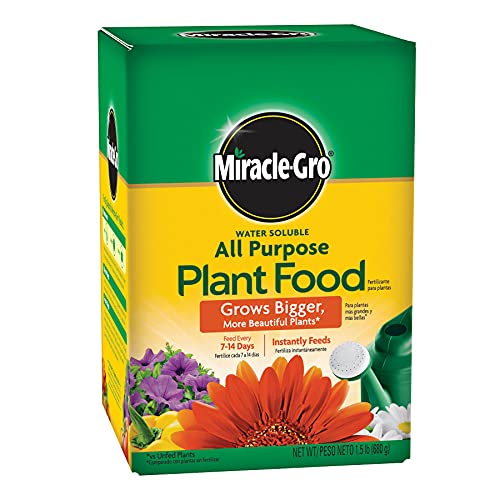
FEEDS ALL PLANTS: Miracle-Gro Water Soluble All Purpose Plant Food is a plant fertilizer that feeds all outdoor, in-ground and indoor plants, including roses, flowers, houseplants, vegetables, and trees
Watering and Feeding Tips
Water your spider plant when the top inch of soil feels dry. This usually means watering every 1-2 weeks, but it varies with humidity and temperature. During the growing season, feed your spider plant with a balanced, diluted fertilizer once a month. Fertilize less frequently in the fall and winter, as growth slows during these months. For cuttings, allow them to establish roots before feeding. It’s best to wait about 4-6 weeks after planting them in soil before introducing fertilizer.
Ideal Growth Conditions
Spider plants thrive in bright, indirect light. Avoid direct sunlight, which can scorch the leaves. An east or north-facing window works well. Ideal temperatures range from 65°F to 75°F (18°C to 24°C). Keep humidity levels moderate; if your home is dry, mist the leaves occasionally. Ensure the spider plant is in well-draining soil to promote healthy root growth and prevent rot. Regularly check for pests like spider mites or aphids, and address infestations promptly to maintain your plant’s health.
Alternative Options
You don’t have to cut the babies off your spider plant; there are effective alternative approaches. Here are two options to consider.
Recommended Products

【Material】: The spherical glass vase is made of high borosilicate glass, with a simple round shape, and a jar wears a bamboo saucer. The cork lid can be easily set and poured with water. glass vase Size: 3.9*3.9inch

🌿 Simple Appearance: Concise and elegant design of glass round vase, unique vintage color wooden stand. It will be more beautiful and eye-catching if you fill the vase with colored water or put some cobbles, flowers into it.

Durable Plastic Construction: Made from eco-friendly durable plastic that is lightweight and easy to use.
Replanting Spider Plant Babies
You can simply replant the pups in new pots. Gently separate the pups from the mother plant, ensuring they have roots attached. Use a well-draining potting mix for best results. Water the newly potted pups and place them in bright, indirect light. They’ll thrive as independent plants. This method allows you to expand your collection or share with friends.
Allowing Natural Growth
You can allow the pups to grow naturally attached to the mother plant. This encourages a lush appearance and creates a fuller look. The mother plant benefits from the additional photosynthesis the pups provide. Monitor for overcrowding; if it becomes too dense, your spider plant might need some pruning or replanting for optimal health. This method provides a great showcase of healthy growth.
Conclusion
Deciding whether to cut the babies off your spider plant ultimately comes down to your goals as a plant parent. If you want a thriving mother plant and a chance to propagate new ones it’s worth considering trimming those pups. However if you love the full look of a bushy plant you might choose to leave them attached.
Whichever route you take remember to keep an eye on your plant’s health and adjust your care routine accordingly. Your spider plant will thrive with a little attention and love. Enjoy the journey of nurturing your green companion and happy planting!
Frequently Asked Questions
Should I cut off the baby shoots from my spider plant?
Cutting off baby shoots, or pups, can benefit your spider plant by redirecting energy back to the mother plant, fostering growth and health. However, if you prefer the look of a fuller plant, leaving them attached may be a better choice.
What are the care requirements for spider plants?
Spider plants thrive in bright, indirect light and prefer moderate humidity. Water when the top inch of soil feels dry and use a well-draining potting mix. During the growing season, feed with a diluted balanced fertilizer.
What are the advantages of propagating spider plant pups?
Propagating pups can expand your plant collection or help you share spider plants with friends. It also reduces competition for nutrients between the pups and the mother plant, enhancing overall growth for both.
What happens if I leave the pups attached to the mother plant?
Leaving pups attached can lead to overcrowding and reduced flowering. However, it allows the mother plant to benefit from additional photosynthesis while creating a lush appearance. Just be sure to monitor for signs of stress.
How should I care for spider plant cuttings?
After cutting the pups, water them only when the top inch of soil is dry. Wait about 4-6 weeks to fertilize, allowing new roots to establish. Ensure they get bright, indirect light and are planted in well-draining soil.
