

A child zoning out can often indicate fatigue or boredom, but it may also signal underlying issues. Parents should monitor the frequency and duration of these episodes to determine if further evaluation is necessary.
Common Causes of Children Zoning Out
Children may zone out for various reasons, ranging from simple fatigue to more complex neurological concerns. It is essential to recognize the signs and understand the context in which they occur. Frequent zoning out can be a normal part of childhood development, but it can also indicate something more serious.
Childhood Fatigue and Attention Issues
Childhood fatigue and attention issues are increasingly common concerns for parents and caregivers. Understanding the various factors that contribute to a child’s ability to focus and their overall energy levels can help identify when these behaviors are typical or indicative of a deeper problem. This section explores the signs of fatigue and attention difficulties in children, along with guidance on when to seek additional support.
One of the most common reasons for a child zoning out is fatigue. Lack of adequate sleep can lead to decreased attention and focus. Signs of fatigue may include:
Yawning frequently
Irritability or mood swings
Difficulty concentrating
Parents should ensure their child is getting the recommended amount of sleep for their age. The following table outlines sleep recommendations by age group:
| Age Group | Recommended Sleep Duration |
|---|---|
| Newborns (0-3 months) | 14-17 hours |
| Infants (4-11 months) | 12-15 hours |
| Toddlers (1-2 years) | 11-14 hours |
| Preschoolers (3-5 years) | 10-13 hours |
| School-age (6-13 years) | 9-11 hours |
| Teenagers (14-17 years) | 8-10 hours |
Child Disengagement and Boredom Factors
Child disengagement and boredom can stem from various factors that affect a child’s ability to connect with their surroundings. Understanding these reasons is crucial for parents and caregivers, as it can help identify when a child is simply experiencing a moment of distraction or when there may be deeper issues at play that require attention.
Another frequent cause of zoning out is boredom. Children may disengage when they find tasks uninteresting or too challenging. This can happen in various settings, such as:
School classrooms
Home learning environments
Social situations
To combat boredom, parents can encourage engaging activities that stimulate their child’s interest. Consider the following options:
Interactive games
Creative projects
Outdoor activities
ADHD Symptoms and Zoning Out Indicators
Understanding the symptoms of ADHD is crucial for identifying when a child may be zoning out. This section explores common indicators associated with ADHD, helping parents and caregivers distinguish between typical behavior and signs that may warrant further attention. Recognizing these symptoms can guide effective support and intervention strategies for children.
Zoning out can also be a symptom of Attention Deficit Hyperactivity Disorder (ADHD). Children with ADHD may struggle to maintain focus, leading to episodes of zoning out. Key indicators include:
Inability to stay on task
Frequent distractions
Impulsivity
If a child frequently zones out and exhibits these behaviors, a consultation with a healthcare professional may be necessary for a thorough evaluation.
Childhood Anxiety and Concentration Issues
Childhood anxiety can significantly impact a child’s ability to concentrate, leading to moments of zoning out during activities. Understanding the common causes of these concentration issues is essential for parents and caregivers. Identifying when these behaviors may signal a deeper concern can help ensure that children receive the support they need to thrive.
Anxiety can significantly impact a child’s ability to concentrate. Children experiencing stress may zone out as a coping mechanism. Signs of anxiety may include:
Excessive worry
Physical symptoms like stomachaches
Withdrawal from activities
Parents should monitor their child’s emotional well-being and consider seeking support if anxiety persists.
Zoning Out Symptoms and Causes
Zoning out is a common behavior in children, often manifesting as daydreaming or a lack of responsiveness. Understanding the symptoms and potential causes can help parents identify whether this behavior is typical or a sign of underlying issues. Recognizing these patterns is crucial for ensuring a child’s emotional and cognitive well-being.
| Symptom | Primary Suspect | Difficulty Level (1-5) |
|---|---|---|
| Frequent zoning out | Fatigue | 2 |
| Zoning out during tasks | Boredom | 3 |
| Inability to focus | ADHD | 4 |
| Withdrawal and worry | Anxiety | 5 |
Addressing Child Zoning Out Behaviors
Children often zone out for various reasons, from daydreaming to coping with stress. Understanding these behaviors is crucial for parents and caregivers, as it can help differentiate between normal developmental phases and potential concerns. This section explores common triggers for zoning out and offers guidance on when it’s important to seek further evaluation.
To effectively address a child’s zoning out, parents can follow these steps:
Observe patterns of zoning out.
Evaluate sleep habits to ensure adequate rest.
Engage in stimulating activities to combat boredom.
Consult a professional if ADHD or anxiety is suspected.
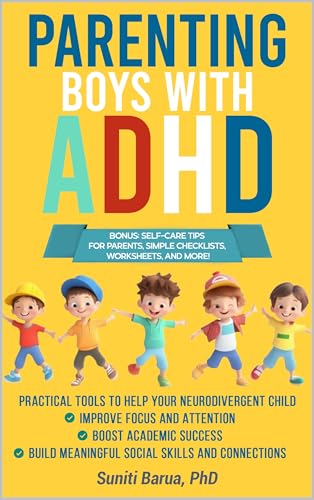
Recommended Products

BRAIN HEALTH SUPPORT FOR KIDS: Focus Factor Kids Extra Strength is specifically formulated for kids to help support healthy brain function, with neuro-nutrients, essential vitamins, and more.*

Signs Indicating Need for Professional Evaluation
Understanding when a child’s zoning out may signal a deeper issue is crucial for parents and caregivers. This section outlines key signs that indicate a need for professional evaluation, helping to differentiate between typical behavior and potential concerns that warrant further investigation. Recognizing these signs early can lead to timely support and intervention.
Parents should consider professional evaluation if zoning out occurs frequently or is accompanied by other concerning behaviors. Warning signs include:
Sudden changes in behavior
Decline in academic performance
Increased social withdrawal
Early intervention can lead to better outcomes for children facing these challenges.
Strategies to Enhance Child Focus
Children often struggle with maintaining focus due to various distractions and developmental factors. Understanding effective strategies to enhance their concentration can significantly improve their learning and daily experiences. This section explores practical techniques that parents and educators can implement to foster better attention and engagement in children.
Parents can implement several strategies to support their child’s focus and engagement:
Establish a consistent daily routine.
Create a distraction-free environment for homework.
Encourage regular physical activity to improve overall well-being.
Implementing these strategies can help reduce instances of zoning out.
Monitoring Persistent Zoning Out in Children
Children often experience moments of zoning out, but when this behavior becomes persistent, it can raise concerns for parents and caregivers. Understanding the underlying reasons for this disengagement is crucial in determining whether it is a normal part of development or a sign of something more serious. Monitoring these patterns can provide valuable insights into a child’s emotional and cognitive well-being.
Zoning out can be a normal part of childhood, but persistent episodes warrant attention. Parents should remain vigilant and proactive in addressing potential underlying issues.
