

Is your little one showing signs of wanting to roll over but just can’t seem to get the hang of it? You’re not alone. Many parents find themselves wondering how to help their babies master this exciting milestone.
Key Takeaways
- Rolling Over Importance: Rolling is a key developmental milestone that strengthens core muscles, improves trunk stability, and encourages exploration in babies.
- Typical Rolling Timeline: Most babies start rolling between 4 to 6 months, moving from tummy to back initially and progressing to rolling from back to tummy by 6 to 8 months.
- Creating a Safe Space: Ensure a soft and hazard-free environment for rolling, using mats and removing sharp objects to promote safe exploration.
- Encouraging Techniques: Utilize tummy time activities, such as placing mirrors and colorful toys, to stimulate muscle development and coordination.
- Parental Involvement: Actively engage with your baby by demonstrating rolling and using interactive play, which boosts their motivation to learn this skill.
- Monitoring Development: Keep an eye on your baby’s progress, recognizing signs of success, and consult a pediatrician if significant rolling milestones are delayed.
Understanding Baby Rolling Milestones
Rolling over is a significant developmental milestone for babies. It enhances their physical skills and aids in sensory and cognitive development.
Recommended Products

Bright Starts Oball is a fan-favorite toy ball that has been engaging tiny fingers for over 25 years; flexible design features large finger holes to help baby easily grip and explore
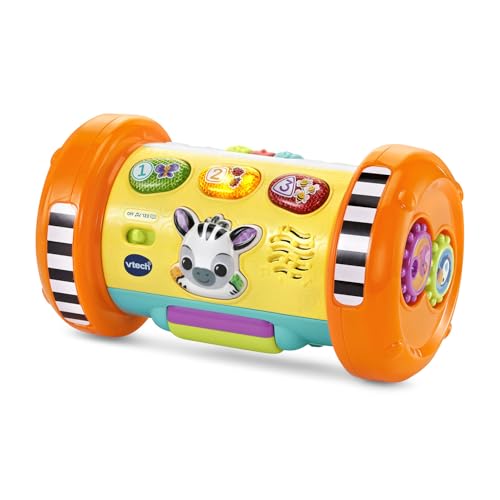
Give chase as the roller moves and enjoy the music and sounds it makes

The classic Fisher-Price Corn Popper toy is reimagined as a push-along vehicle for exciting motor skills-boosting play
Importance of Rolling Over
Rolling over offers several benefits. It strengthens core muscles, improving trunk stability. It encourages exploration, allowing your baby to see their environment from different angles. Rolling also boosts coordination and balance, which are essential for future motor skills.
When Should Babies Start Rolling?
Most babies start rolling between 4 to 6 months. Initially, they may prefer rolling from tummy to back. By 6 to 8 months, many will roll from back to tummy as well. Remember, every baby develops at their own pace, so variations in timing are normal. If your baby hasn’t rolled by 9 months, consult your pediatrician for guidance.
Safe Environment for Rolling
Creating a safe environment helps your baby gain confidence while rolling. This setting encourages exploration and reduces the risk of injury as your little one practices this new skill.
Recommended Products

Thickened Foam Play Mat: Our padded foam mat is made of 1.3 inches thickened memory foam.It's sturdy enough to support two adults without ground feeling. The surface is made of ultra-soft flannel fabric, luxurious and comfortable for babies and family time.It does not fade.It provides a soft and safe play space, making it an ideal play mat for babies 6-12 months, encouraging them to explore endless fun with confidence.

Size and Fit: Our play mat measures 47x47 inches and can be used in conjunction with a 50x50 inch baby playpen. The 0.4-inch thickness cushions the impact of falls, allowing the infant to play on the baby floor mat without restraint

Soft & Thickened Foam: Unlike traditional ones, our baby play mats are made of premium quality foam with a thickened finish for extra cushioning and comfort. BPA free, odorless, non-toxic, soft, non-slip and perfect for newborns to toddlers.
Creating a Soft Play Area
Create a soft play area by using a large blanket or a play mat. Opt for mats that have cushioning to soften falls. Arrange plush toys and activity centers within this space to intrigue your baby. Encourage playtime on the mat during tummy time, allowing your baby to strengthen the muscles necessary for rolling. This space also provides comfort and a sense of security, which is crucial during this developmental phase.
Removing Hazards and Obstacles
Remove hazards and obstacles from the rolling area. Ensure the space is clear of sharp objects, small items, or anything that could cause harm. Check for loose rugs or furniture corners that could pose a risk. Secure items like cords or dangling objects that may catch your baby’s attention but aren’t safe to touch. By establishing a clean, open space, you enable your baby to explore rolling without undue stress or danger.
Techniques to Encourage Rolling
Encouraging your baby to roll over involves engaging activities that strengthen their muscles and coordination. Implementing specific techniques can motivate your little one to reach this exciting milestone.
Recommended Products

High Contrast Patterns for Early Visual Development: This tummy time toy is suitable for babies aged 0-12 months. The high contrast black and white patterns are perfect for newborns (0-3 months), capturing their attention and supporting early visual development. For babies over 3 months, the colorful patterns stimulate their growing senses and encourage motor skill development.

Educational Toys for Brain Development: This tummy time toy is suitable for babies aged 0-12 months. The high contrast black and white patterns are perfect for newborns (0-3 months), capturing their attention and supporting early visual development. For babies over 3 months, the colorful patterns stimulate their growing senses and encourage motor skill development

Baby Toys for Brain Development - Baby mirror and soft book help babies to explore the world during tummy time. High contrast patterns are easier for baby's foggy eyesight to see, adapt to infant's changes in visual development. Tummy time mat infant toys are great for prevent flat head and helps strengthen baby’s leg arm muscles to prepare to crawl.
Tummy Time Activities
Tummy time is crucial for developing the muscles necessary for rolling. Make tummy time enjoyable by:
- Placing a Mirror: Position a baby-safe mirror in front of your baby. Mirrors create interest, encouraging them to lift their heads and engage with their reflection.
- Creating a Parade of Toys: Arrange colorful toys in a semicircle around your baby during tummy time. This setup invites them to reach and turn their bodies to grab the toys, fostering rolling movements.
- Using a Tummy Time Pillow: Support your baby with a tummy time pillow. This prop elevates their chest, making it easier to lift their heads and shoulders, which builds upper body strength.
Regularly incorporating these activities into your baby’s routine promotes muscle development and prepares them for rolling.
Using Toys and Incentives
Toys serve as effective incentives for your baby to practice rolling. Try these strategies:
- Position Toys at Angles: Place toys just out of reach at an angle that encourages rolling. This placement prompts your baby to roll towards the toy, engaging their core muscles.
- Introduce Rewarding Sounds: Use toys that make noises or have lights. These sounds capture your baby’s attention and motivate them to move toward the source.
- Encourage Interaction: Roll together with your baby during playtime. Demonstrating rolling by gently rolling the toy or yourself can inspire them to mimic the movement.
By creatively using toys and incentives, you can make rolling an exciting challenge for your baby, helping them master this important skill.
Parental Involvement
Parental involvement plays a crucial role in helping your baby learn to roll over. Your encouragement and participation can make a significant difference in their progress.
Demonstrating Rolling
Demonstrating rolling can provide your baby with a visual reference. You can gently show them how to roll by lying on your back and rolling over yourself. This action helps your baby see the movement and patterns required. Use a soft surface for safety, and make the demonstration fun.
Engaging with the Baby
Engaging with your baby enhances their motivation to roll. Use colorful toys and your voice to capture their attention. Place a favorite toy just out of reach, encouraging them to reach for it and roll. Play along with them during tummy time, singing songs or making funny faces to keep them entertained. Regular interaction fosters a sense of curiosity and adventure in learning new skills.
Monitoring Progress
Tracking your baby’s progress as they learn to roll is essential for understanding their development. Observing specific milestones indicates growth in physical abilities.
Signs of Success
You’ll notice several signs that show your baby is on the right path to rolling over. Watch for the following indicators:
- Increased Tummy Time: Your baby may spend more time on their stomach without fussing, showing they’re building strength.
- Reaching for Toys: If your baby reaches for toys while lying on their tummy, it means they’re developing coordination and muscle control.
- Rolling from Tummy to Back: Many babies roll from their tummy to their back first. If your baby accomplishes this, it’s a positive sign.
- Shifting Weight: Your baby might shift their weight to one side while lying, preparing to roll over.
- Expressing Excitement: Look for signs of joy, like laughter or smiles, when your baby attempts to roll or play during tummy time.
These signs indicate readiness for rolling over, showcasing their developing strength and coordination.
When to Seek Help
While most babies roll over between 4 to 8 months, some may take longer. If your baby hasn’t shown significant progress by 9 months, consult your pediatrician. Consider seeking professional advice in situations like these:
- Limited Movement: If your baby seems unusually stiff or floppy when placed on their tummy.
- No Interest in Rolling: If your baby doesn’t attempt to roll or shifts their body while playing.
- Delayed Other Milestones: If your baby isn’t meeting other developmental milestones, this could signal a need for evaluation.
Actively monitoring your baby’s development provides peace of mind and ensures they receive the support they need to thrive.
Conclusion
Encouraging your baby to roll over can be a fun and rewarding journey. By creating a safe and engaging environment you’re setting the stage for their development. Remember to be patient and celebrate every little achievement along the way.
Your involvement makes a huge difference. By demonstrating rolling and using playful interactions you can spark their curiosity and motivation. Keep an eye on their progress and don’t hesitate to reach out to your pediatrician if you have any concerns.
Every baby is unique and will reach this milestone at their own pace. Enjoy this exciting time as you watch your little one explore and grow!
Frequently Asked Questions
What age do babies typically start rolling over?
Most babies begin rolling over between 4 to 6 months of age. They usually start by rolling from their tummy to their back and, by 6 to 8 months, many can roll from their back to their tummy.
How can I help my baby learn to roll over?
To help your baby roll over, create a soft play area, encourage tummy time, and engage with toys placed just out of reach. Demonstrate rolling yourself and interact with them through colorful toys and playful activities.
Why is rolling over important for my baby?
Rolling over is crucial as it strengthens core muscles, enhances trunk stability, improves coordination and balance, and promotes exploration, all of which are essential for developing future motor skills.
What should I do if my baby hasn’t rolled over by 9 months?
If your baby hasn’t rolled over by 9 months, it’s a good idea to consult your pediatrician. They can provide guidance and check for any potential concerns in your baby’s development.
How can I create a safe environment for my baby to roll over?
Ensure a safe rolling environment by setting up a soft play area with a blanket or cushioned play mat. Remove hazards and obstacles, making sure the space is clean and free from sharp objects, allowing your baby to practice rolling safely.
