

Have you ever wondered how loud is too loud for your little one? As a parent, you want to create a safe and nurturing environment for your baby, but noise levels can often be overlooked. From family gatherings to everyday household sounds, it’s easy to underestimate the impact of noise on a child’s developing ears.
This article will help you understand the safe decibel levels for babies and why it matters. You’ll learn how to protect their sensitive hearing and create a peaceful space for them to thrive. By the end, you’ll feel more confident in making choices that keep your baby safe from harmful noise exposure.
Key Takeaways
- Understand Decibel Levels: Familiarize yourself with decibel measurements where sounds above 70 dB can harm a baby’s hearing over time, while sounds above 85 dB pose immediate risks.
- Safe Sound Exposure: Aim for sound exposure below 70 dB for extended periods and limit short bursts of noise up to 85 dB to protect your baby’s ears.
- Create a Quiet Environment: Use soft furnishings and designate quiet zones in your home to absorb sound and reduce noise levels, especially during nap times.
- Monitor Noise Levels: Utilize decibel meters or smartphone apps to regularly check the noise levels in different spaces around your baby.
- Choose Quiet Appliances and Toys: Opt for appliances with low noise ratings and select toys that comply with noise regulations to minimize harmful sound exposure in your home.
- Promote a Calming Atmosphere: Soft voices, nature sounds, and baby sleep machines can provide soothing sound environments that are beneficial for your baby’s overall comfort and health.
Understanding Decibels
Decibels (dB) measure sound intensity. These units represent how loud a noise is, impacting hearing health significantly, especially for babies.
What Are Decibels?
Decibels quantify sound levels on a logarithmic scale. Each increase of 10 dB signifies a tenfold increase in sound intensity. For example, a whisper measures about 30 dB, while a normal conversation ranges from 60 to 70 dB. Sounds above 85 dB can potentially damage hearing over prolonged exposure.
How Decibels Affect Hearing
Decibels affect hearing differently at various exposure levels. Continuous sounds above 70 dB can start harming a baby’s delicate ears. Short bursts of loud noise, like a vacuum cleaner at 70–90 dB, can also cause discomfort or damage. Protecting your baby from excessive noise ensures their hearing remains safe and healthy. Use noise-canceling headphones or limit exposure to loud environments.
Safe Sound Levels for Babies
Monitoring sound levels around babies is crucial for their hearing health. Keeping noise exposure to a minimum ensures their ears develop safely.
Recommended Products

2.25-inch LCD Screen with Backlight: This TS-501B sound level meter is measured noise levels are expressed in decibels and displayed on the 2.25-inch LCD screen, it easy to read on a big display design. Long press the backlight button to turn on a backlight, making it easy to view even in dim light

✅【Large 11-inch LED Display】DANOPLUS decibel meter is equipped with 11 inches LED screen and brightness adjustable, you may see the real-time decibel level, Temperature and Humidity more clearly
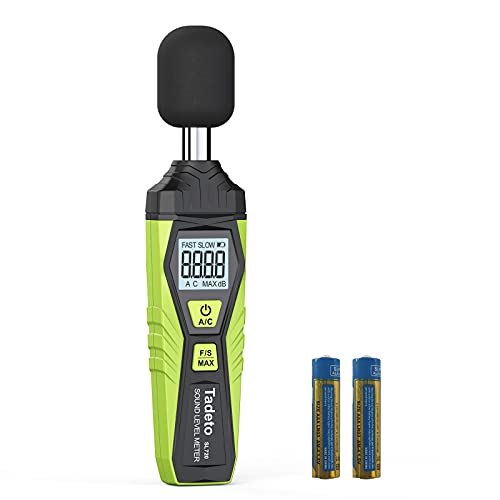
【Accurate Measurement】 The measuring range of the sound level meter is 30dB to 130dB . Highly accurate with ± 2.0 dB. Real-time monitoring can give you accurate data on the sound level in the area.
Recommended Decibel Levels
Aim for sound exposure below 70 dB for extended periods. This level is similar to a quiet conversation or background music. For short durations, sounds up to 85 dB, like busy traffic, are tolerable but should be limited. You can check dB levels using smartphone apps or sound level meters to ensure you maintain these recommendations.
- Soft Voices: Speaking gently usually remains below 60 dB. It’s perfect for quiet moments with your baby.
- Whispering: Whispering typically measures around 30 dB, creating a calm atmosphere.
- Nature Sounds: Sounds like birds chirping or leaves rustling usually hover around 50 dB. These soothing sounds are pleasant for little ones.
- Baby Sleep Machines: Many machines produce consistent sounds between 50-65 dB, ideal for creating a peaceful sleep environment.
By understanding safe sound levels and where to find them, you can protect your baby’s precious hearing.
Risks of Excessive Noise
Excessive noise poses significant risks to babies’ health. Understanding these risks helps protect their sensitive hearing.
Recommended Products

【Extremely Comfortable to Wear】: Wrap your child's ears in cloud-like softness! Dr.meter noise cancelling headphone is made of premium memory foam cores with PU leather padding, creating a breathable seal that stays cozy during monster jams, fireworks, concerts, or even long-term sports events. Designed for providing comfortable wearing—no itching or pressure marks!

【Extremely Comfortable to Wear】: Wrap your child's ears in cloud-like softness! Dr.meter noise cancelling headphone is made of premium memory foam cores with PU leather padding, creating a breathable seal that stays cozy during monster jams, fireworks, concerts, or even long-term sports events. Designed for providing comfortable wearing—no itching or pressure marks!

Short-Term Effects on Babies
Exposure to loud sounds can quickly overwhelm babies. Immediate effects include increased irritability, difficulty sleeping, and startle responses. Common sources, like loud toys and vacuum cleaners, exceed safe noise levels. Even brief exposure can cause discomfort, preventing babies from settling down or concentrating.
Long-Term Consequences
Prolonged exposure to high noise levels leads to lasting damage. Regular exposure to sounds above 70 dB can cause permanent hearing loss in babies. Furthermore, constant loud environments may contribute to speech delays and communication difficulties as they grow. Protecting your baby from sustained loud noises is crucial for their auditory development and overall well-being.
By fostering a calm atmosphere with safe sound levels, you enhance your baby’s comfort and health. Use tools like sound level meters to monitor noise in your home.
Tips for Maintaining Safe Sound Levels
Maintaining safe sound levels for your baby is essential for their hearing health. Here are some practical tips to create a calmer, quieter environment.
Recommended Products

USEFUL TOOL IN YOUR WORK & LIFE – This sound level meter is a great tool for checking, monitoring or controlling the sound level of any environments. It is widely applicable for personal, families, business, studies, industrial and etc.

✅【Decibel Meter Data Logger】DANOPLUS decibel meter is able to record up to 43,000 data, it could view on the main unit & PC, and also export data via excel file whlie connecting to PC

✅【13-inches LED Screen】DANOPLUS 13 INCHES LED Screen sound meter displays Decibel Level(30-130dB), Time(AM/PM), Temperature(degree C/degree F) Humidity(0-100%RH) and brightness adjustable
Creating a Quiet Environment
- Limit Loud Activities: Reduce noise from activities like vacuuming or using power tools during nap times. Consider doing these chores when your baby is awake or outside the home.
- Use Soft Furnishings: Decorate with rugs, curtains, and cushions. These items absorb sound, reducing overall noise levels in your home.
- Designate Quiet Zones: Create specific areas in your home as quiet zones, where noise is kept to a minimum. This can be especially beneficial during feedings or sleep times.
- Opt for Quiet Appliances: Choose appliances with a reputation for low noise. Look for models that feature “quiet” labels or consumer reviews highlighting their sound levels.
- Use a Decibel Meter: Invest in a decibel meter or download a sound level app on your smartphone. Regularly check the noise levels in different rooms.
- Learn Safe Sound Levels: Familiarize yourself with different sound levels of common household noises. For example, a normal conversation measures around 60 dB, while a lawn mower can reach about 90 dB, which is too loud.
- Set Volume Limits: If you use music or white noise machines, set the volume levels below 60 dB. This creates a soothing background without risking discomfort for your baby.
- Avoid Loud Toys: Select toys designed for young children that meet noise regulations. Those that are quieter help prevent unnecessary exposure to harmful sound levels.
By implementing these strategies, you can ensure a safe and peaceful environment, protecting your baby’s sensitive ears from excessive noise exposure.
Conclusion
Creating a safe sound environment for your baby is essential for their development. By keeping noise levels below 70 dB and being mindful of loud sounds, you can protect their sensitive hearing. Remember that it’s not just about avoiding high decibels; it’s also about fostering a calm and soothing atmosphere.
Using tools like sound level meters can help you monitor noise in your home. With a few simple adjustments and mindful choices, you can ensure your little one enjoys a peaceful space. By prioritizing their auditory health, you’re setting the stage for a happy and healthy childhood.
Frequently Asked Questions
What are the safe noise levels for babies?
Maintaining sound exposure below 70 dB is crucial for infants, which is similar to a quiet conversation. Sounds up to 85 dB can be tolerated briefly but should be limited.
How can I monitor noise levels in my home?
You can effectively monitor noise levels using smartphone apps or sound level meters, which help gauge decibel levels to protect your baby’s sensitive ears.
What are some quiet sound sources for infants?
Safe sound sources for babies include soft voices (below 60 dB), whispering (around 30 dB), nature sounds (approximately 50 dB), and baby sleep machines (50-65 dB) for a calming environment.
What risks do loud noises pose to babies?
Excessive noise can lead to irritability, difficulty sleeping, and startle responses in babies. Prolonged exposure may also cause permanent hearing loss and communication issues as they grow.
What practical tips can help maintain safe sound levels?
Limit loud activities during nap times, use soft furnishings to absorb sound, choose quieter appliances, and set volume limits on music and toys to maintain a peaceful environment for your baby.
