

Are you tired of your little one needing to nurse to drift off to sleep? You’re not alone. Many parents find themselves in a similar situation, where bedtime becomes a battle of wills between soothing and sleep.
Key Takeaways
- Understanding Needs: Recognize that nursing serves both physical and emotional needs for your baby, including comfort, nutrition, and soothing mechanisms.
- Gradual Weaning: Implement gradual weaning techniques, such as reducing nursing times and incorporating calming activities before sleep to ease the transition.
- Create New Sleep Routines: Establish a consistent bedtime routine with soothing activities like bath time and story time to signal bedtime without relying on nursing.
- Provide Reassurance: Use gentle soothing methods and comfort objects to reassure your baby, helping them feel secure during the transition away from nursing.
- Manage Nighttime Wakefulness: Allow your baby a moment to settle before responding to nighttime awakenings, gradually reducing nursing during these times to promote self-soothing.
- Emphasize Consistency: Maintain a regular sleep schedule and minimize screen time before bed to help regulate your baby’s internal clock and improve sleep quality.
Understanding The Need To Nurse
Nursing often meets both physical and emotional needs for your baby. Understanding these needs can help address the challenges of nursing to sleep.
Benefits Of Nursing To Sleep
- Bonding Opportunity: Nursing fosters a secure attachment between you and your child, providing comfort and closeness during nighttime.
- Nutritional Needs: For infants, nursing ensures adequate nutrition, especially if they nurse frequently during growth spurts.
- Soothing Mechanism: Nursing helps babies self-soothe, reducing their stress and discomfort, which leads to better sleep.
- Natural Sleep Induction: The act of nursing typically calms babies, aiding in their transition to sleep.
- Sleep Associations: Relying on nursing as a sleep cue can create dependencies that make it harder for your baby to fall asleep without it.
- Personal Comfort: You might seek more time for yourself at night, valuing independence for both you and your baby.
- Sleeping Patterns: If nursing disrupts sleep cycles, nighttime awakenings might become more frequent, impacting everyone’s rest.
- Developmental Changes: As babies grow, they may require less frequent nursing sessions, making it a natural time to transition away from nursing to sleep.
Strategies For Transitioning
Transitioning your baby away from nursing to sleep can require patience and planning. Implementing specific strategies makes this process smoother for both you and your little one.
Recommended Products

𝐆𝐞𝐧𝐭𝐥𝐞 𝐇𝐞𝐚𝐭 𝐟𝐨𝐫 𝐎𝐩𝐭𝐢𝐦𝐚𝐥 𝐍𝐮𝐭𝐫𝐢𝐞𝐧𝐭𝐬: Momcozy Nutri Baby Bottle Warmer avoids overheating breast milk. Instead, its gentle water bath heating preserves maximum nutrients, supporting better digestion and healthy growth for your baby.

BABY BOTTLE WARMER AND STERILIZER. Warm glass or plastic baby bottles and food jars in as little as 80 seconds.

10-in-1 Multifunction: This bottle warmer does it all with 10 different functions: fast warming, gentle thawing, quick thawing, keeping warm, steaming, food heating, timer setting, adjustable temperature control, and an anti-scald basket. It's a total game-changer for breastmilk and any type of bottle you have!
Gradual Weaning Techniques
- Reduce Nursing Times: Start by shortening each nursing session. If your baby usually nurses for 15 minutes, gradually reduce to 10 minutes, then 5 minutes. This helps your baby adjust gradually.
- Delay Nursing Before Sleep: Introduce a waiting period before nursing. If your baby typically nurses to sleep, try starting a different calming activity first, then nurse for a shorter time right before sleeping.
- Night Weaning: Focus on eliminating nighttime nursing sessions. Gently soothe your baby with other strategies, like patting or rubbing their back, instead of nursing.
- Switching Nights: Designate a few nights where you won’t nurse to sleep. Use other comfort measures during these nights to help your baby learn to self-soothe.
- Offer a Bottle or Cup: If your baby enjoys the comfort of sucking, offer a bottle or sippy cup with water or milk instead. This can satisfy their need for comfort while reducing dependency on nursing.
- Comfort Objects: Introduce a favorite blanket or stuffed animal as a comfort object. This can help your baby feel secure without nursing.
- Room Environment: Create a soothing sleep environment. Dim lights, soft music, or white noise can help with relaxation and signal it’s time for sleep.
- Bedtime Routine: Establish a consistent bedtime routine. Incorporate activities like reading or gentle rocking, which can replace the nursing aspect while promoting relaxation.
- Responsive Soothing: When your baby cries or fusses, try gentle techniques like shushing or patting. Responding in this way can reassure them without reverting to nursing.
- Keep Close Contact: Hold your baby while they drift off to sleep. The closeness can replicate the comfort that nursing provided, easing the transition.
Creating A New Sleep Routine
Establishing a new sleep routine helps your baby transition away from nursing to sleep. This process requires patience and consistency but can lead to more restful nights for both you and your baby.
Recommended Products


Used Book in Good Condition

OK TO WAKE CLOCK - Do you have a problem with your child getting up way too early in the morning? the okay to wake clock is a game changer which uses colors (green light red light) to teach your kids understanding the concept of when to stay in bed and when to get up.
Establishing A Bedtime Routine
Create a calming bedtime routine that signals to your baby that it’s time for sleep. Start with a series of activities performed in the same order every night. For example:
- Bath Time: Enjoy a relaxing bath to ease tension.
- Story Time: Read a short story or sing a lullaby to foster a soothing atmosphere.
- Dim Lights: Lower the lights to create a calm environment.
- Comfort Object: Offer a favorite blanket or stuffed animal for added comfort.
These steps help your baby associate these activities with sleep. Gradually replace nursing with other comforting methods, like gentle rocking or patting.
Importance Of Consistency
Consistency lays the foundation for a successful transition. Stick to the same schedule every night. A consistent bedtime helps regulate your baby’s internal clock, making bedtime smoother.
- Set a Specific Bedtime: Aim for the same time each night. This practice promotes predictability.
- Limit Screen Time: Reduce exposure to electronic devices before bed to support better sleep quality.
When you maintain a consistent routine, your baby understands what to expect. This familiarity encourages readiness for sleep without needing to nurse.
Addressing Common Challenges
Transitioning away from nursing to sleep can come with challenges. Understanding these obstacles can help you navigate this process smoothly.
Recommended Products

𝗛𝗲𝗹𝗽 𝗞𝗶𝗱𝘀 𝗦𝗹𝗲𝗲𝗽 𝗕𝗲𝘁𝘁𝗲𝗿: Dreamegg sound machine baby offers 34 soothing sounds, including 11 nature sounds, 7 ambient sounds, 6 white noise sounds, and 10 melodies. The diverse range of sounds and immersive experience can quickly settle the children down, speeding up their transition to sleep. Say goodbye to the hassle of restless babies before bedtime or at nursery time!

❤Notice: This sound machine needs to be plugged in for use.
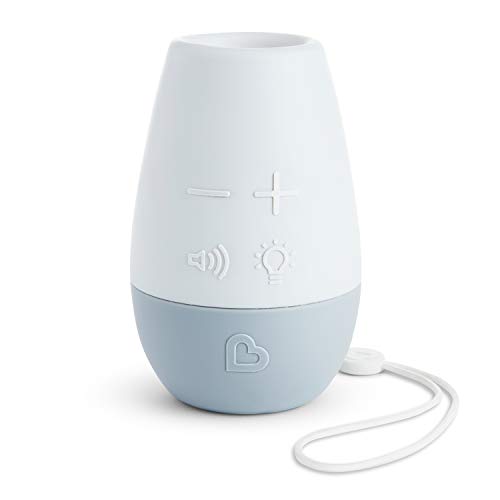
Baby Sound Machine for Sleeping: Calms babies and young kids with three different sounds - shushing, heartbeat and white noise
Reassurance And Comfort
Providing reassurance involves creating a soothing environment. Use a calm voice to let your baby know they’re safe. Hold them gently, comforting them through touch. You might consider using soft music or white noise to help ease anxiety. Offering a comfort object, like a small blanket or stuffed animal, can also provide familiarity and security.
Creating a visual bedtime routine can reinforce comfort as well. You might include a chart with pictures representing each step, such as bath time, reading a book, and cuddling before bed. This visual guide shows your baby what to expect, making the transition easier.
Managing Nighttime Wakefulness
Managing nighttime wakefulness involves recognizing patterns in your baby’s sleep. When your baby wakes, wait a moment before responding. This gives them a chance to settle back to sleep without your intervention. If your baby cries, you can approach calmly and offer a gentle pat or soothing words without picking them up immediately.
Gradually reduce nighttime nursing by lengthening the time between when your baby wakes and when you offer comfort. If your baby usually nurses immediately upon waking, try waiting a few minutes first. This helps them learn to self-soothe, an important step for independent sleep.
Consider keeping a sleep log to track nighttime wake-ups and understand your baby’s sleep cycles better. This information can guide your approach and also help you identify any patterns. With consistent efforts and a compassionate approach, your baby can learn to fall asleep without nursing.
Conclusion
Transitioning your baby away from nursing to sleep can feel daunting but it’s absolutely achievable with patience and love. By creating a consistent bedtime routine and offering comfort in new ways you can help your little one feel secure without relying on nursing.
Remember to celebrate the small victories along the way and stay flexible as your baby adjusts. With time your efforts will pay off and you’ll both enjoy more restful nights. Embrace this journey together and know that you’re fostering independence while still providing the comfort they need. You’ve got this!
Frequently Asked Questions
What challenges do parents face when nursing their children to sleep?
Parents often struggle with conflicting desires to soothe their child while promoting independent sleep. This situation can lead to difficulties in bedtime routines, as children may develop sleep associations tied to nursing, making it tough to transition away from this method.
What are the benefits of nursing to sleep for babies?
Nursing to sleep provides physical comfort, emotional security, and ensures adequate nutrition for babies. It fosters a strong attachment between parents and children, acts as a soothing mechanism, and assists in the natural process of drowsiness.
What are the potential drawbacks of nursing to sleep?
While nursing has many benefits, it can create dependency on the practice for sleep, disrupt sleep patterns, and delay the child’s ability to self-soothe. As babies grow and develop, they may naturally be inclined to transition away from nursing.
How can parents transition their babies away from nursing to sleep?
Parents can gradually reduce nursing times, introduce comfort objects, and create a calming bedtime routine. Strategies like focusing on night weaning, designating non-nursing nights, and offering bottles or cups can facilitate smoother transitions.
What role does consistency play in establishing a new sleep routine?
Consistency is vital when creating a new sleep routine, as it helps babies understand what to expect at bedtime. Establishing a specific bedtime and following a predictable sequence of calming activities can assist in easing the transition away from nursing.
How can parents manage nighttime wakefulness during the transition?
Recognizing sleep patterns and allowing a moment for the baby to settle before intervening is key. Gradually reducing nighttime nursing and maintaining a sleep log can help parents adapt to their baby’s sleep cycles and encourage self-soothing during wakeful periods.
